

Residential Remodel & Renovations
A remodel is an opportunity to improve more than the appearance of your home.
Thoughtful remodeling can improve how a home feels, functions, performs, and holds up over time.
We help homeowners approach remodeling through the lens of health, durability, building performance, and responsible material selection—while managing the construction process from planning through completion.
Whether you're updating a kitchen, creating a healthier nursery, improving ventilation, or undertaking a whole-home renovation, we look beyond the visible finishes to consider the home as a whole.
Our role is to bring the project together: establishing scope, coordinating the right professionals and trades, managing materials and scheduling, overseeing construction, and carrying the project through to completion.
Remodel Or Renovation?
The terms remodel and renovation are often used interchangeably, and there is plenty of overlap between the two.
Generally, a renovation updates, restores, or improves an existing space without fundamentally changing its layout or purpose. A remodel may involve more substantial changes to how a space is configured, how it functions, or how the home is built.
In practice, projects often include elements of both.
What matters most is approaching the existing home thoughtfully—understanding what is already working, identifying what could be improved, and determining the right scope of work to accomplish your goals.



A remodeling project is an opportunity to address the parts of a home that aren't always visible.
Depending on the project, we may help incorporate:
Healthier materials and interior finishes
Ventilation and indoor air quality improvements
Moisture management
Insulation and air sealing
Building-envelope improvements
EMF assessment and mitigation considerations
Kitchen and bathroom renovations
Nursery and bedroom improvements
Whole-home renovations
Durable, lower-impact material selections
Not every project needs all of these considerations. We help determine where they make sense based on the home, the scope, and your priorities.


More Than Finishes
From Planning To Completion

As your general contractor, Rooted can manage the construction process from start to finish.
That means you don't have to coordinate every subcontractor, material delivery, trade, or construction detail yourself. We establish the construction scope, develop the project team, coordinate subcontractors and suppliers, manage scheduling and sequencing, oversee work in the field, and carry the project through completion.
Our role includes the coordination and overhead required to bring the work together—so the project has a clear point of responsibility rather than leaving the homeowner to manage a collection of separate contractors.
For the homeowner, that means one construction partner responsible for keeping the project moving.
Depending on the scope, the team may include:
ArchitectsInterior designersEngineersSpecialty consultantsElectricians and plumbersHVAC professionalsInsulation and air-sealing contractorsFinish carpentersTile, plaster, painting, and other finish tradesSpecialty natural-material or building professionals
We coordinate the construction team and work alongside the appropriate design and trade professionals to bring the project together.
When Design Professionals Are Needed
Some projects can be planned and built with a relatively straightforward construction scope. Others require architectural design, engineering, structural work, permitting, or more extensive planning.
When a project requires a design professional, we help identify what expertise is needed and coordinate the construction process around that work.
The architect or designer remains responsible for the design work within their scope. Rooted's role is to translate that design into a well-coordinated construction process—helping manage the relationship between drawings, materials, subcontractors, schedule, budget, and the realities of the job site.
This allows each professional to focus on their area of expertise while giving the homeowner a coordinated path from design through construction.


When A Project Needs More Planning
Not every remodeling project needs an extensive planning phase. A straightforward bathroom renovation may have a very different planning process than a whole-home transformation.
For larger or more complex projects, we may recommend establishing the project more fully before construction begins.
This planning phase can help define:
-
What are we actually changing, and what are we leaving alone?
-
What design professionals, engineers, and specialty trades are needed?
-
Which materials and systems best support the project's health, durability, performance, and aesthetic goals?
-
What does the intended scope realistically require?
-
How should the work be sequenced, coordinated, and built?

Taking the time to answer these questions early can reduce surprises later and create a clearer path into construction.
A Thoughtful Approach To Existing Homes
Materials, assemblies, additions, repairs, moisture conditions, previous renovations, and years of use all influence what makes sense next. Rather than treating every project as a blank slate, we start by understanding what is already there.
From there, we look for opportunities to improve the home in ways that are practical, durable, and appropriate to the project.
That may mean replacing a problematic material, improving ventilation, addressing moisture, upgrading insulation, rethinking a kitchen or bathroom, or simply choosing better materials when the opportunity naturally arises.
The goal isn't to make every project more complicated.
It's to make the improvements that matter.
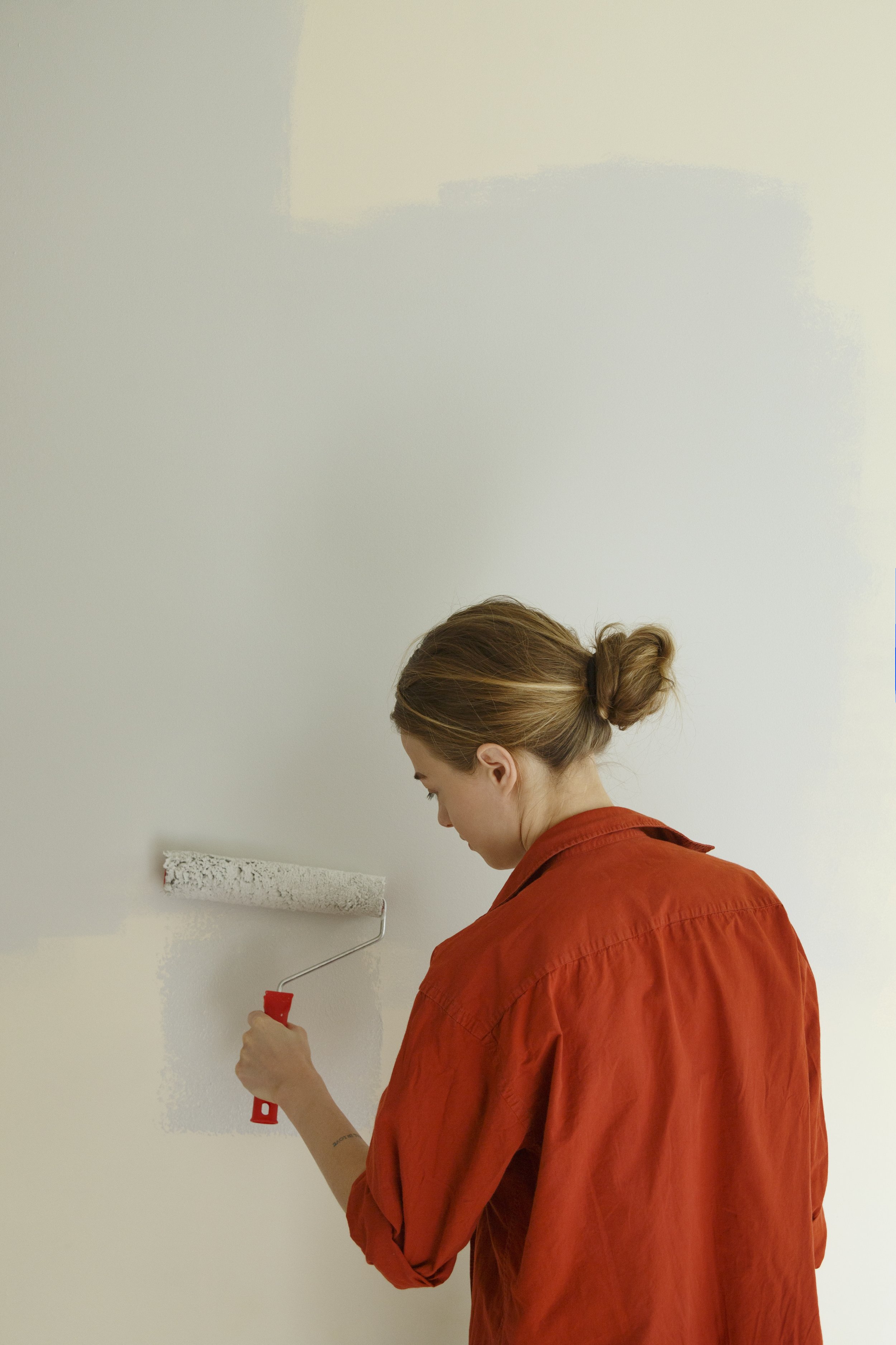
Every existing home has a history.
WHERE WE CAN HELP
-
Thoughtful renovations that consider materials, ventilation, moisture, durability, and the way the space will actually be used.
-
Create healthier, more comfortable spaces with attention to materials, finishes, indoor air, moisture, and other environmental considerations.
-
Coordinate larger renovations that involve multiple spaces, systems, trades, and phases of construction.
-
Choose healthier, durable materials and finishes while considering how they perform within the larger building system.
-
Address opportunities to improve indoor air quality, manage moisture, and create healthier, more durable building conditions.
-
Item Improve comfort and building performance by addressing opportunities within the building envelope.

One Project. One Coordinated Process.




A successful remodel requires more than good materials or good workmanship. It requires the pieces to work together.
Understand → Prioritize → Build
We begin by understanding your home, your goals, and the opportunities within the existing building. We help prioritize the work that matters most, establish the right team and approach, and then coordinate the construction process from beginning to completion.
The result is a remodeling process that brings together health, materials, performance, craftsmanship, and practicality—without losing sight of the home itself.
Ready to talk about your project?
Tell us what you're hoping to change, improve, or build. We'll start by understanding the project and determining what the next step should be.