
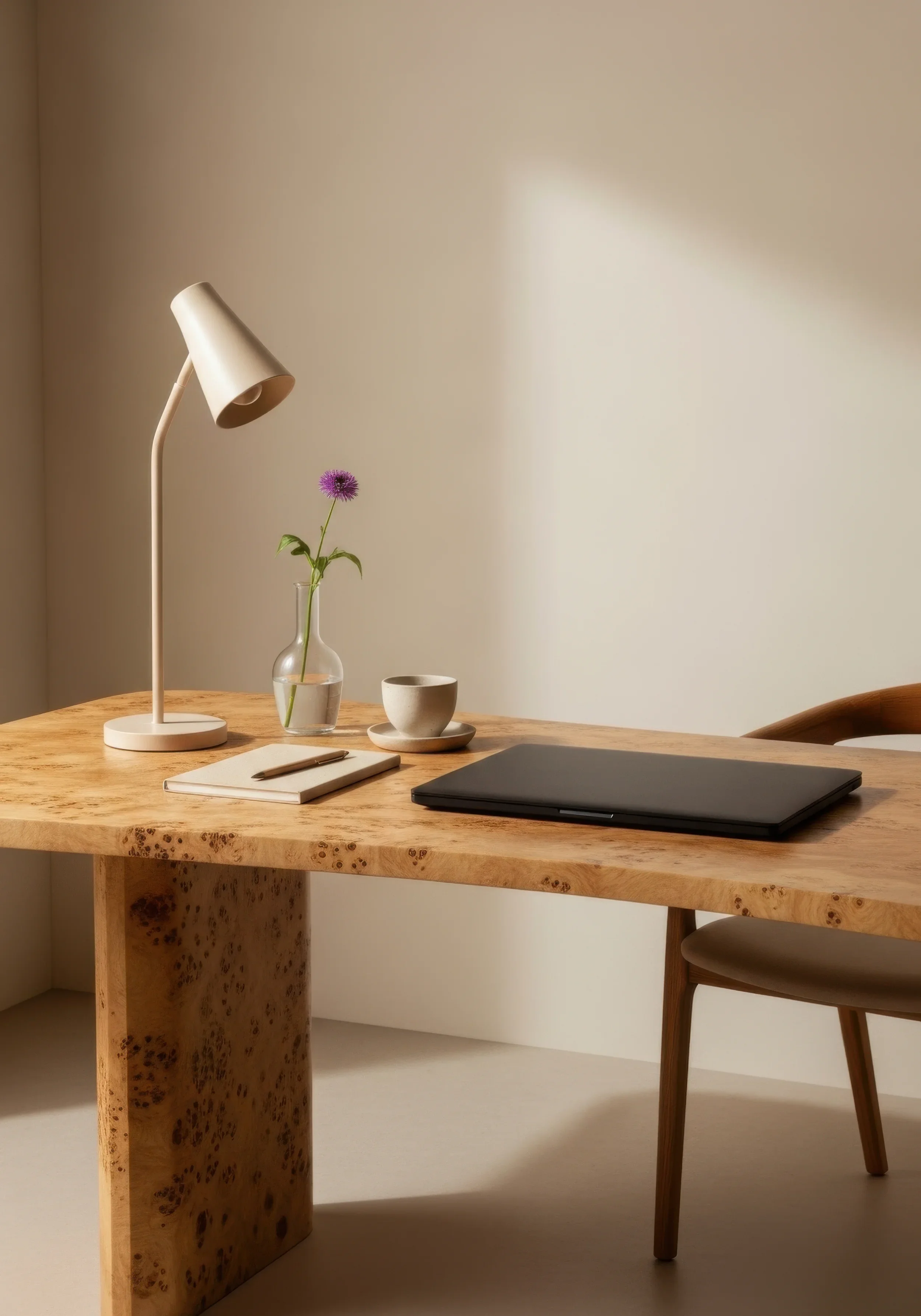
Residential New Construction
The greatest opportunity to rethink how a home is designed and constructed.
Building a new home creates an opportunity to consider health, materials, building performance, and place from the very beginning.
Rather than adapting healthier choices around an existing structure, new construction allows these considerations to become part of the home from the start—from the building systems and materials to the way the home responds to its climate, site, and occupants.
We work with homeowners, architects, interior designers, engineers, and trade partners to bring thoughtful building strategies into the construction process. Depending on the project, that may include natural and bio-based materials, high-performance assemblies, healthier finishes, thoughtful material sourcing, and construction practices that prioritize durability and long-term performance.
Our role is to bring practical construction knowledge to the process—helping shape a buildable approach early, coordinating the people and materials involved, and carrying the project from planning through completion.
Building From The Beginning
A new home gives us the opportunity to ask better questions before construction begins.
How should the home respond to its climate and site?
What materials make sense for the building system?
How should the walls, roof, windows, and mechanical systems work together?
Where can natural or bio-based materials provide a better solution?
Which decisions are worth making early, and which can remain flexible?
These questions don't have one universal answer.
A thoughtfully built home might use conventional high-performance assemblies in some areas and natural or bio-based materials in others. The right approach depends on the site, climate, design, budget, available trades, and the goals of the people who will live there.
The goal isn't to build differently for the sake of being different. It's to build intentionally.
Natural Building + Modern Performance
Natural building doesn't have to mean choosing between traditional materials and modern building performance.
Materials such as clay plaster, wood fiber, cellulose, natural insulation systems, earthen materials, and other bio-based products can be incorporated into contemporary homes when they're appropriate to the climate, assembly, and project goals.
At the same time, natural materials need to be understood within the larger building system. Moisture, air movement, thermal performance, durability, detailing, and sequencing all matter.
We look at natural and conventional materials through the same lens:
Does it make sense for this home, this climate, this assembly, and this project?
That may lead to a predominantly natural building approach, a high-performance conventional approach with carefully selected materials, or a thoughtful combination of both.
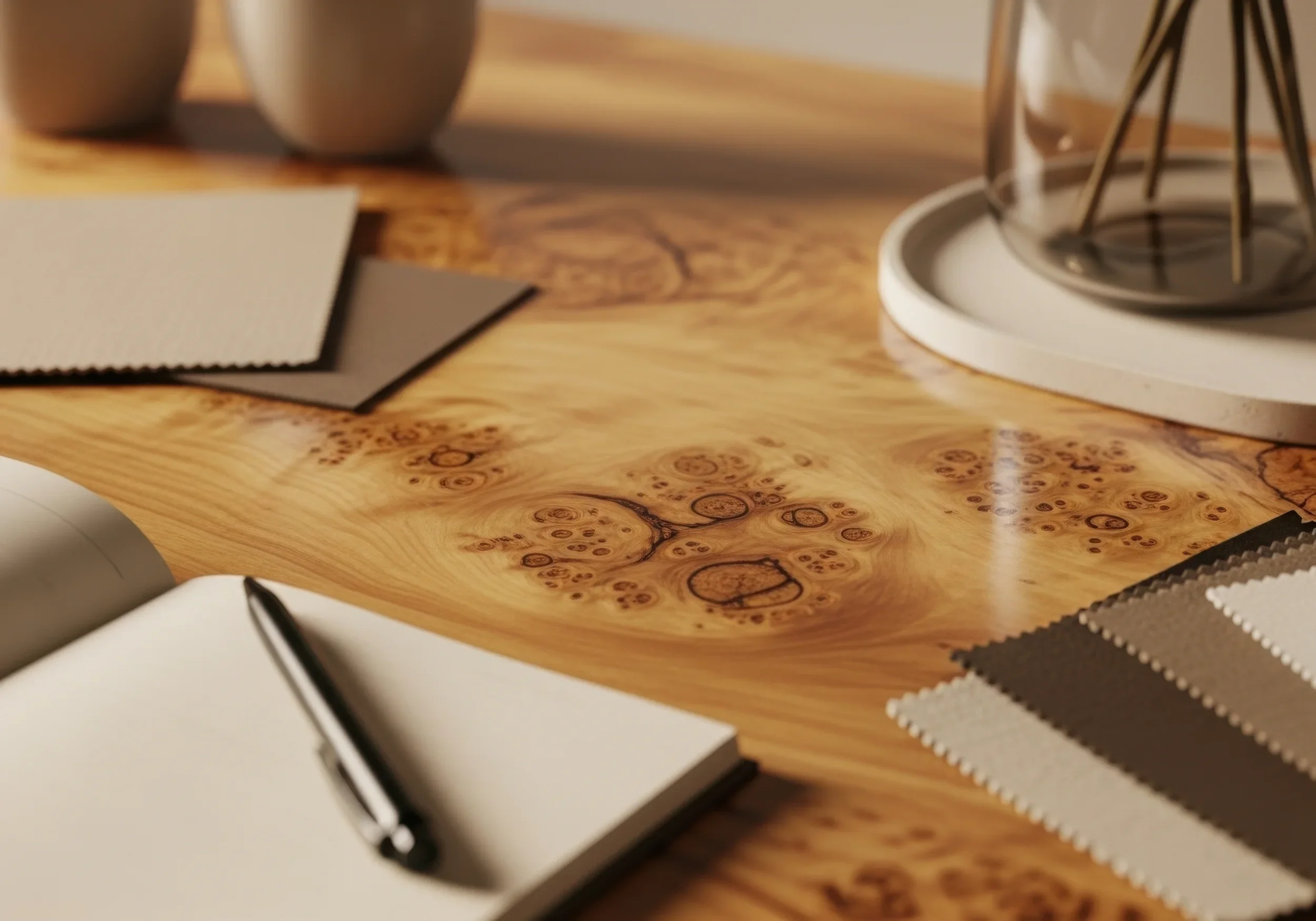
The earlier construction considerations are brought into the process, the more opportunities there are to make thoughtful decisions before they become expensive or difficult to change.
When possible, we like to become involved during the early planning and design stages—not to replace the architect or designer, but to bring construction knowledge into the conversation.
Early builder involvement can help identify:
Appropriate building systems and assemblies
Constructability and sequencing considerations
Material availability and sourcing
Specialty trades and subcontractor requirements
Natural-material installation requirements
Budget and scope considerations
Long-lead materials and procurement needs
Opportunities to simplify construction without compromising the goals of the project
For projects using less conventional materials or building systems, this early coordination can be particularly valuable.


Bring The Builder In Early
The Right Team Matters
The right team can make a significant difference in a natural or high-performance home—particularly when the project involves building systems or materials that require specialized knowledge.
If you already have an architect or designer, we're happy to work alongside them and bring our construction perspective into the process early.
If you don't have one yet, we can help connect you with design professionals whose experience and approach are a good fit for the project. For homes incorporating natural building systems, we especially value architects and designers who understand how those systems are designed, detailed, and built.
For clients considering a rural property or future homestead, the planning process can also begin before the building itself. If you're still looking for land, we can help connect you with permaculture and land-planning professionals who can help evaluate how the site may support your goals before you commit to a property.
We don't need to provide every piece of expertise ourselves. Our role is to help bring together the right people at the right time and coordinate their work toward a buildable home.
Good projects start with the right team.
Materials Matter
New construction provides an opportunity to make material decisions before products are locked into the project.
We consider materials not only for their appearance, but also for their relationship to health, durability, sourcing, performance, maintenance, and the larger building system.
Depending on the project, this may include:
-
including wood, clay and lime plasters, earthen materials, stone, cellulose, and other renewable or mineral-based materials
-
such as wood, tile, stone, cork, or other materials selected for their durability and indoor-environment considerations
-
with attention to VOC emissions and other indoor air quality considerations
-
including lower-emitting materials, finishes, and adhesives
-
considering availability, durability, environmental impact, and the realities of sourcing materials for the project
We don't believe every component of a home needs to meet the same material standard.
Instead, we help identify where material choices can have the greatest impact and where the project can make meaningful improvements without creating unnecessary complexity or cost.
Building For The Place
A home should make sense for where it is built.
Climate, sun, wind, precipitation, soil, vegetation, available materials, local trades, and the way a home will actually be used all influence what makes sense.
In North Idaho and the broader Inland Northwest, building well means taking cold winters, significant temperature swings, moisture, snow, and seasonal conditions seriously.
We consider the relationship between the home, its site, and its climate as part of the construction process—not as an afterthought.
That might influence everything from the building envelope and moisture management to material selection, site work, outdoor living, and the way the finished home connects to its surroundings.

Built Around Your Priorities
Not every homeowner wants the same house, and not every project needs the same level of natural building or high-performance construction.
Some clients may be drawn to natural materials and traditional building techniques. Others may primarily want a healthy, durable, high-performing home without committing to a fully natural building system.
Some may be building a long-term family home. Others may be creating a small homestead, retreat, or carefully planned home on rural land.
We don't believe there is one right way to build a better home.
Our role is to understand what matters to you, identify where those priorities can be meaningfully incorporated, and build accordingly.

WHERE WE CAN HELP
-
From smaller thoughtfully planned homes to larger custom residences, we coordinate the construction process around the goals, site, and scope of each project.
-
Incorporate appropriate natural and regenerative materials and building strategies, including earthen, wood-based, mineral, and other bio-based systems.
-
Coordinate building-envelope, insulation, air-sealing, ventilation, and other performance strategies appropriate to the project.
-
Make thoughtful choices around paints, finishes, flooring, cabinetry, adhesives, sealants, and other materials that contribute to the indoor environment.
-
Help identify, source, coordinate, and procure materials that support the project’s health, performance, durability, and aesthetic goals—while incorporating reclaimed materials where appropriate and minimizing material waste.
-
Bring together architects, designers, engineers, specialty consultants, subcontractors, suppliers, and other project partners from planning through completion.
One Home. One Coordinated Process.



Building a new home involves hundreds of decisions. The goal isn't to make every decision more complicated. It's to make the important ones intentionally.
Understand → Prioritize → Build
We begin by understanding your goals, your site, and the kind of home you want to create. We help establish the right team and construction approach, identify the decisions that matter most, and coordinate the work through completion.
The result is a home built with greater attention to health, materials, performance, craftsmanship, place, and long-term durability.
Ready to talk about building?
Tell us what you're hoping to build, where you're building it, and what matters most to you. We'll start by understanding the project and determining how we can be part of the process.